
logo_normallogo_normallogo_normallogo_normal
  • Urban Projects
  • Our Interventions
  • Case Studies
  • UWM
  • Resources
  • Contact
✕

Case Studies

  • Mantu’s Triumph: Reshaping Communities Through Sanitation Leadership
    0
  • Championing dignity Championing dignity and safety- Medchal
    0
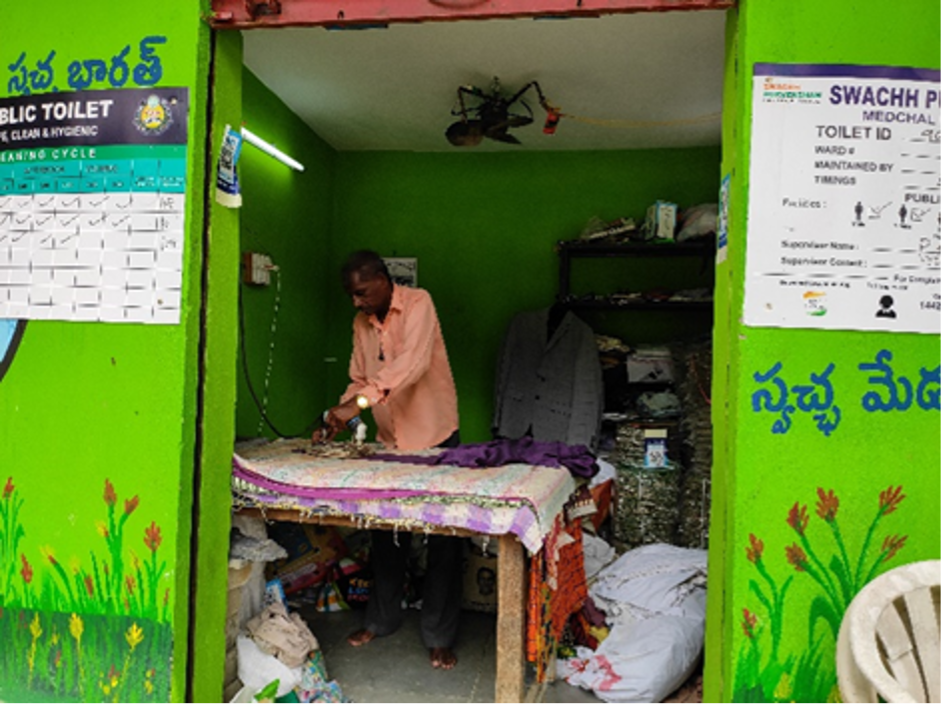
  • Transforming Challenges into Opportunities Medchal City_s Unconventional Public Toilet and Cloth Ironing Shop
    0
  • The quiet resilience of a public toilet cleaner room-New Barrackpore
    0
  • From Service to Entrepreneurship Dewanandan’s Journey of Innovation
    0
  • Prioritising safety, dignity and security of sanitation workers Radhakrishnan’s Journey
    0
  • Palani’s Smart Toilets woo Users with Digital innovations
    0
  • Safe sanitation, no longer a pipe dream
    0
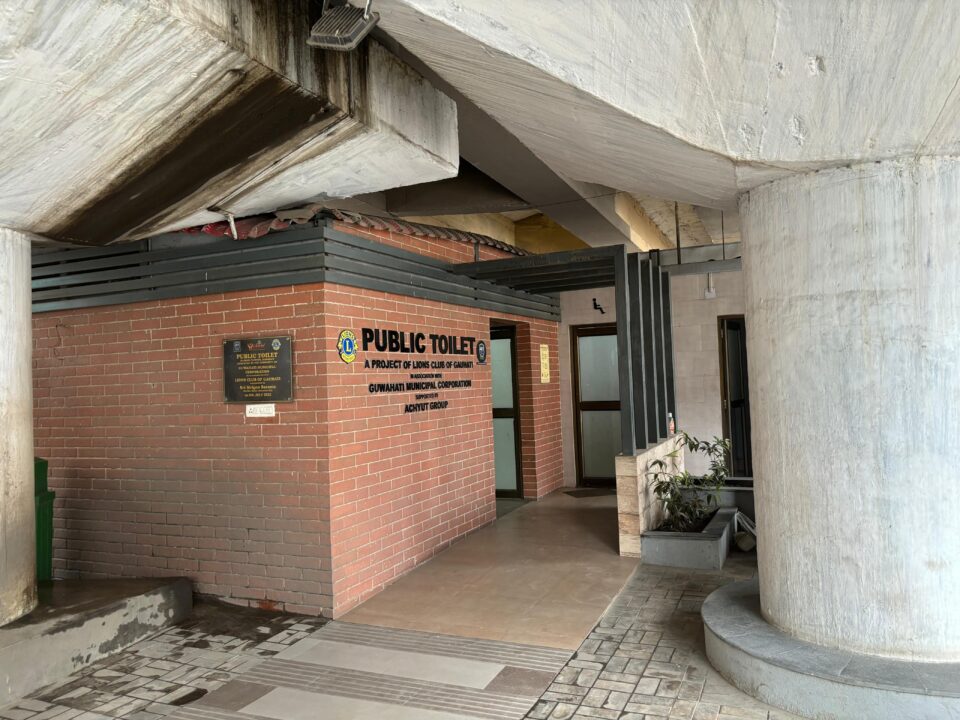
  • Lions Club of Guwahati Championing Sustainable Sanitation Solutions
    0
  • Fighting taboos to gaining respect: The challenges of being a sanitation worker
    0
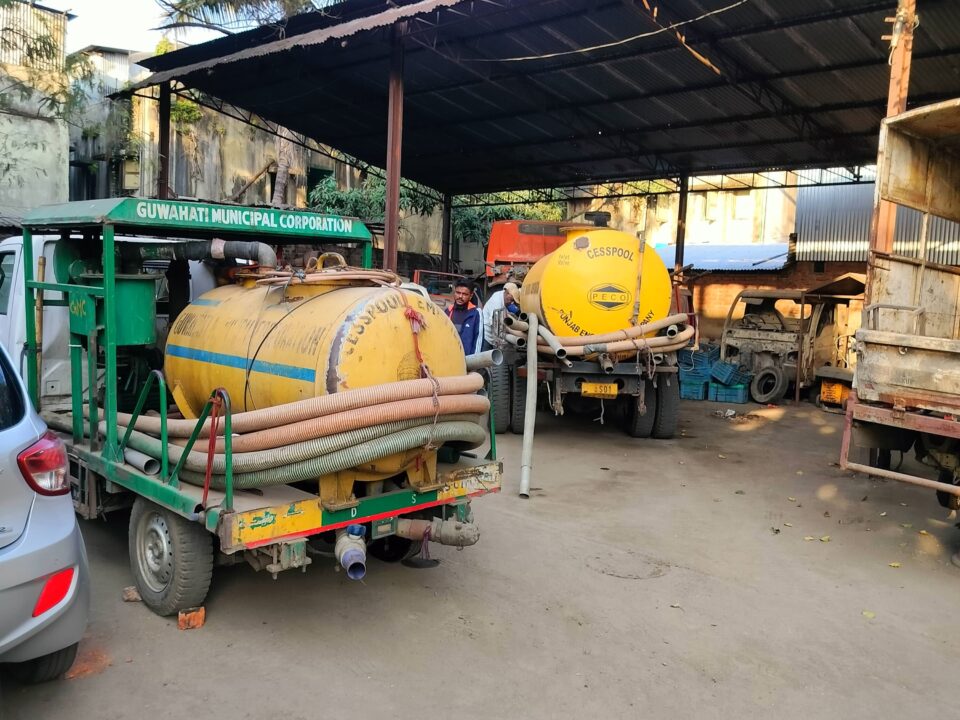
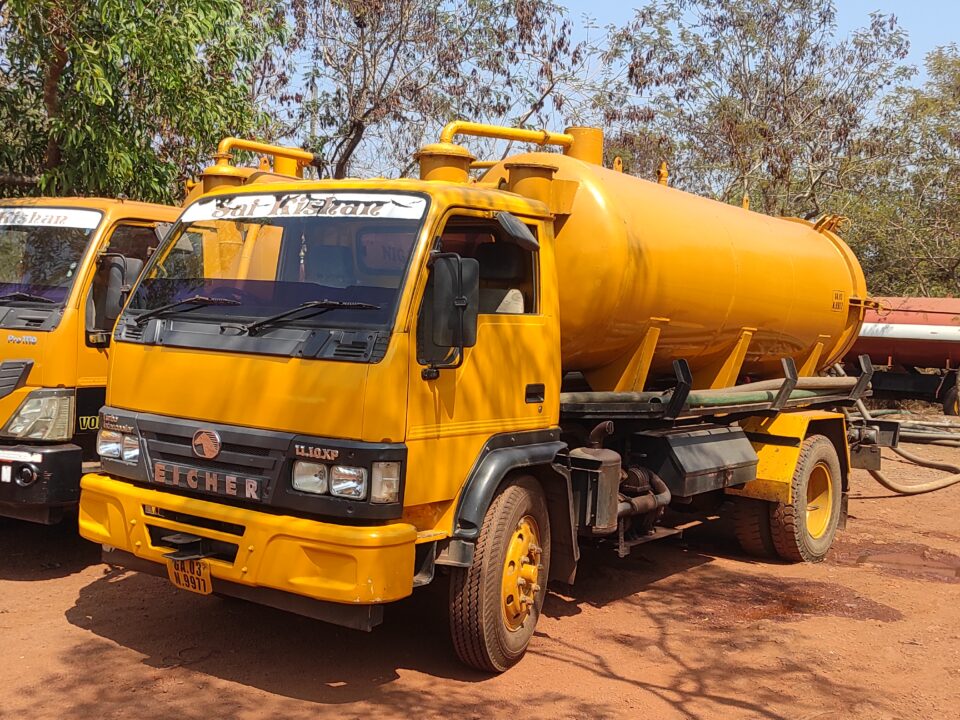
  • Desludging Innovation Goa Operator Uses Transfer Stations for Efficient Septage Management
    0
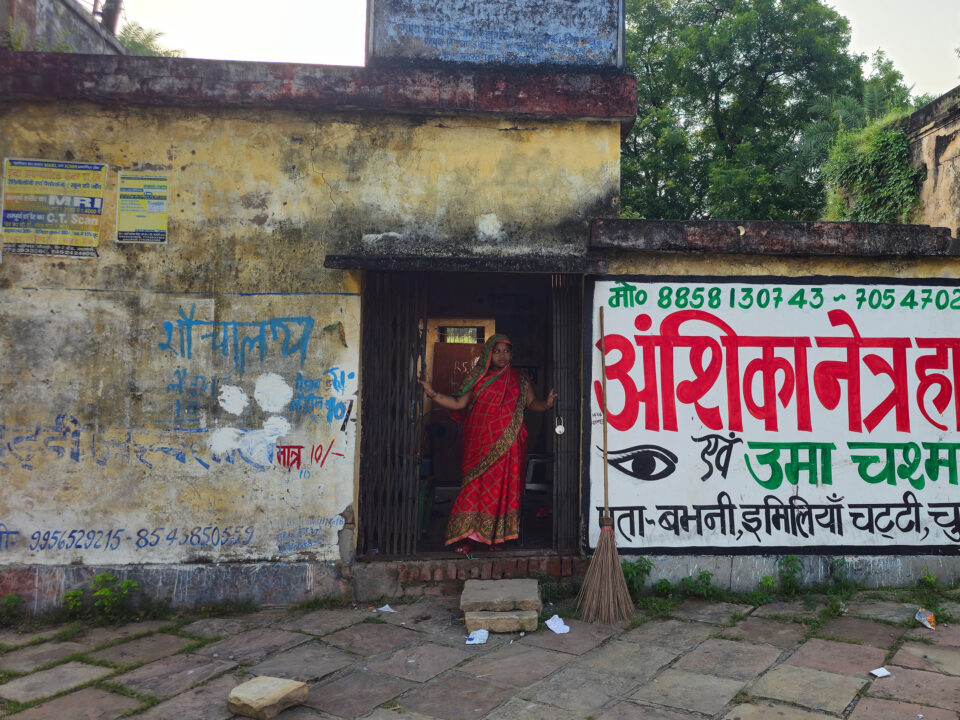
  • From pride to perseverance: The tale of a forgotten public toilet
    0
  • Beyond Infrastructure: The Quest for Community-Centric Sanitation
    1
  • Beyond Cleanliness: The Tale of a Community-Driven Public Toilet in Madurai
    86
  • Chameli Devi: Bundu Nagar Panchayat’s Cleanliness Champion
    85
  • From dusty streets to dignity: Lucknow’s Pink Toilets empower women
    86
  • Manju Bengaraj: Leading change and building hope in Dhenkanal
    87

Water Sanitation and Hygiene Institute (WASH Institute) was established in Kodaikanal, Tamil Nadu, India in the year 2008 and is dedicated towards providing practical solutions to a wide range of water, sanitation, hygiene and environmental issues.

2026 © WASH Institute All Rights Reserved.
    Donate now
      ✕

      FAQ


      What is a Safai Mitra Surakshit Shehar (SSS)?

      An SMSS is a city where no Safai Mitra is forced to clean sewers or septic tanks manually or unsafely. To achieve this, cities must ensure mechanization of hazardous tasks, skilling of workers, provision of safety gear, and institutional systems for safety monitoring. To be certified as a SafaiMitra Surakshit Shehar, at least 80% of the required sanitation workforce must be active, trained, and equipped with the necessary safety gear.

      This will close in 0 seconds

      Mavelikkara

      Mavelikkara documents


      Document 1

      Document 2

      This will close in 0 seconds

      Madurai

      Madurai documents


      Document 1

      Document 2

      This will close in 0 seconds

      Planning & Retrofitting- New/ Aspirational Toilet

      New/ Aspirational Toilet

      Demand Estimation

      PRELIMINARY DEMAND ASSESSMENT
      For preliminary planning and budgeting purposes, it is recommended to estimate toilet seats by comparing the number of functional seats against the floating population. However, this gives only a broad picture—detailed, local-level spatial assessments are essential before siting or upgrading toilets to avoid underuse or misplacement.

      • Seats Calculator – ULB level Demand Assessment
      • Seats Calculator for Tourists towns – ULB level Demand Assessment

      SPATIAL DEMAND ASSESSMENT

      The spatial demand assessment involves three layered information to pinpoint demand, which are:

      1. Seat utilization assessment of existing toilets
      2. Mapping high activity areas

      Mapping open urination (OU) and open defecation (OD) hotspots, if any

      • GIS based sample Activity Mapping​- to be developed
      • Seat Utilisation Assessment for existing infrastructure

      CITIZEN VALIDATION SURVEYS
      This step uses structured surveys to engage with residents and gather feedback on preferred toilet locations and accessibility needs. This ensures that proposed sites match user needs.

      • Citizen Validation Survey Questionnaire


      Siting & Sizing

      SITING & SIZING
      This step helps to identify suitable locations, and the number of toilet seats to be provided based on footfall and user demand. While siting and sizing the toilet Section 2.2 of CPHEEO Guidelines (2025) should be referred for aspirational and regular Public/Community Toilets and Urinals.
      Tools

      • Footfall Assessment mechanisms:​
        • User Footfall Survey​
        • ICT based footfall

      LEVERAGE EXISTING INFRASTRUCTURE FOR SHARED ACCESS

      ULB can expand toilet coverage without new construction by partnering with Private or Government Institutional Establishments (Fuel Stations, Court Complexes, etc.), subject to feasibility & safety. (Case of Nainital & Medchal). This is applicable especially in areas where land is scarce and demand for access to toilet is high.

      However a format agreement recommended to be established to ensure service standards (Sample Agreement)

      SITE SELECTION CHECKLIST

      This step used a standardized field checklist to evaluate shortlisted sites for critical infrastructure like water and drainage access, lighting, visibility, security, and overall spatial feasibility.

      Tools

      • Site Selection Checklist


      Upgrading Existing toilet to Aspirational Toilet

      UPGRADATION OF EXISTING TOILET TO ASPIRATIONAL TOILET

      ULBs can upgrade existing toilets to meet aspirational standards through rehabilitation. Accessing the national funding of ₹2.5 lakh per seat requires complete demolition and reconstruction. ULBs may choose to improve existing facilities using their own funds or CSR contributions, where full rebuilding is not feasible or necessary.

      Design Features for an accessible, inclusive and aspirational toilet

      Design Features for an accessible, inclusive and aspirational toilet

      Design toilets aligned with national standards, such as those from CPHEEO and MoHUA. Refer Section 2.4 of CPHEEO Guidelines (2025) for technical specifications and standards. ULBs can select from standard design templates or a curated repository of typologies that include layout plans, cost estimates, and urban-specific adaptations, compiled in Not Just Toilet by MoHUA. Finalized designs must ensure accessibility, gender inclusion, and user safety.

      • Design Features in Aspirational Toilets
      • Mandatory & Recommended Infrastructure Features in Aspirational and Regular Public Toilets
      • Space Standards – A gist of all to be prepared
      • Space standards calculator
        • Isometric views of toilet cubicle interiors
      • Model Architectural Designs


      Fund Mobilisation for New Construction

      Fund Mobilisation for New Construction

      Explore Central and State budget allocations, CSR support, and own sources to fund construction of new construction. Under SBM 2.0, ULBs receive funding for new construction i.e.,

      1. ₹1.5 lakhs per seat for community/public toilets,
      2. ₹2.5 lakhs per seat for aspirational toilets and
      3. ₹0.32 lakhs per seat for Urinals.

      Additional support is received for Heritage/high-footfall areas, if justified.

      • SBM Circular for Community/ Public Toilet Construction
      • State financing mechanisms – Best practices
      • Cases of CSRs, Private – HAL, etc.


      Contract models

      Contract models

      This step helps ULBs choose the right implementation model, including partnerships with private operators. It may also offer options for revenue generation through kiosks or advertisements. This step also provides contracts by clearly defining roles, cleaning frequency, and complaint resolution timeline

      • Contracting Models ​- Refer Table 5 1: Types of Contracting Agreements of Guidelines on Public and Community Toilets
      • O&M


      Quality Checks

      Quality Checks

      Quality Checks by ULB are essential to ensure quality of construction and also completion of the project on schedule

      • CPHEEO Guidelines (2025)
      • Frequency to be developed

      This will close in 0 seconds